
The domestic currency has dropped by 62 paise or 0.93 per cent in four trading days.

Snapping its 3-day winning spree against the American currency, the rupee on Wednesday dropped by 21 paise to end at 66.64 on fag-end dollar demand from banks and importers despite a sharp rally in domestic equities.

Jewellery stores remained deserted as buyers deferred their non-essential purchases awaiting softness in gold prices.
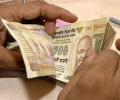
Increased month-end demand for the US currency from importers put pressure on the rupee

The rupee on Monday slipped by 5 paise to close at 63.57 per dollar on fresh demand for the American currency from banks.

India's foreign exchange reserves declined by a whopping $4.343 billion to $367.646 billion.
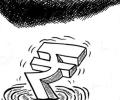
Good foreign capital inflows failed to restrict the rupee's fall against the dollar
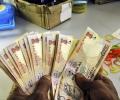
Weakness of dollar in the global markets and foreign capital outflows also affected the rupee sentiment.

Oil prices have already fallen over 70 per cent since the downturn began in mid-2014.

The broader markets are, however, outperforming the larger peer.

Indian companies place orders worth $600 million for US crude, which is likely to increase by nearly $2 billion in the near future.

The rupee had last ended at 67.22 per dollar on March 16, 2016.

The 50-share NSE Nifty ended up 37.05 points, or 0.36 per cent, at 10,397.45 points

The spurt in rates, caused by the rally in international oil prices, has led to the oil ministry asking the finance ministry for a cut in excise duty in the Union Budget 2018-19, to be presented in Parliament next week.
Chinese stock markets suffered their biggest single-day drop since the global financial crisis.

Oil and select auto heavyweights bore the brunt of selling pressure; ONGC, RIL, Tata Motors, M&M key losers.

"Under different scenarios, we see the impact of higher crude prices ranging from $25 billion to a maximum of $50 billion on the oil import bill. The increase in the oil import bill will also affect the current account deficit," economic affairs secretary S C Garg said in a conference on Friday.
Economics and politics both have major roles in determining oil prices.

Even if the central bank doesn't pull the trigger later, it is still expected to by the end of the year.

The positive bias was aided by metal, realty and auto indices

Bank shares were the top losers after sharp gains last week.

Foreign exchange reserves of the oil producers have increased by $1.1 trillion over the past decade.

Consequences of China's efforts to stabilise its equity markets after three weeks of declines, which wiped out some 30 per cent of the value is far more importance to the world, says Clyde Russell.
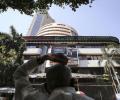
Market breadth remained strong with 1,581 advances over 1,018 declines on the BSE

ONGC, Sesa Sterlite, Tata Steel, RIL and HDFC emerged as the biggest losers


Usually, a fall in oil prices is followed with a cut in retail prices of auto fuels and the government passes on the benefit to consumers. However, Morgan Stanley believes gains this time around will remain capped.

Traders have all but given up attempting to predict where the new-year rout will end

BSE Realty index zoomed by almost 7% followed by counters like Metal, Oil & Gas, Auto, Banks, Auto, Healthcare and Power, all surging between 1-5%.

Asia has opened largely in the green ahead of a raft of Chinese data due during the day.

Index heavyweights Reliance Industries, HDFC and Infosys were the top Sensex gainers.

The task of Union Finance Minister Arun Jaitley to keep inflation under check, even when the country reeled under severe drought for two years in a row, and reduce the current account deficit, was made easier by low crude oil prices.
This is the Centre's highest-ever budgeted capital outlay.
 © 2026 Rediff.com - Advertise with us - Disclaimer - Privacy Policy - Sitemap - Feedback - About us - Terms of use - Grievances